


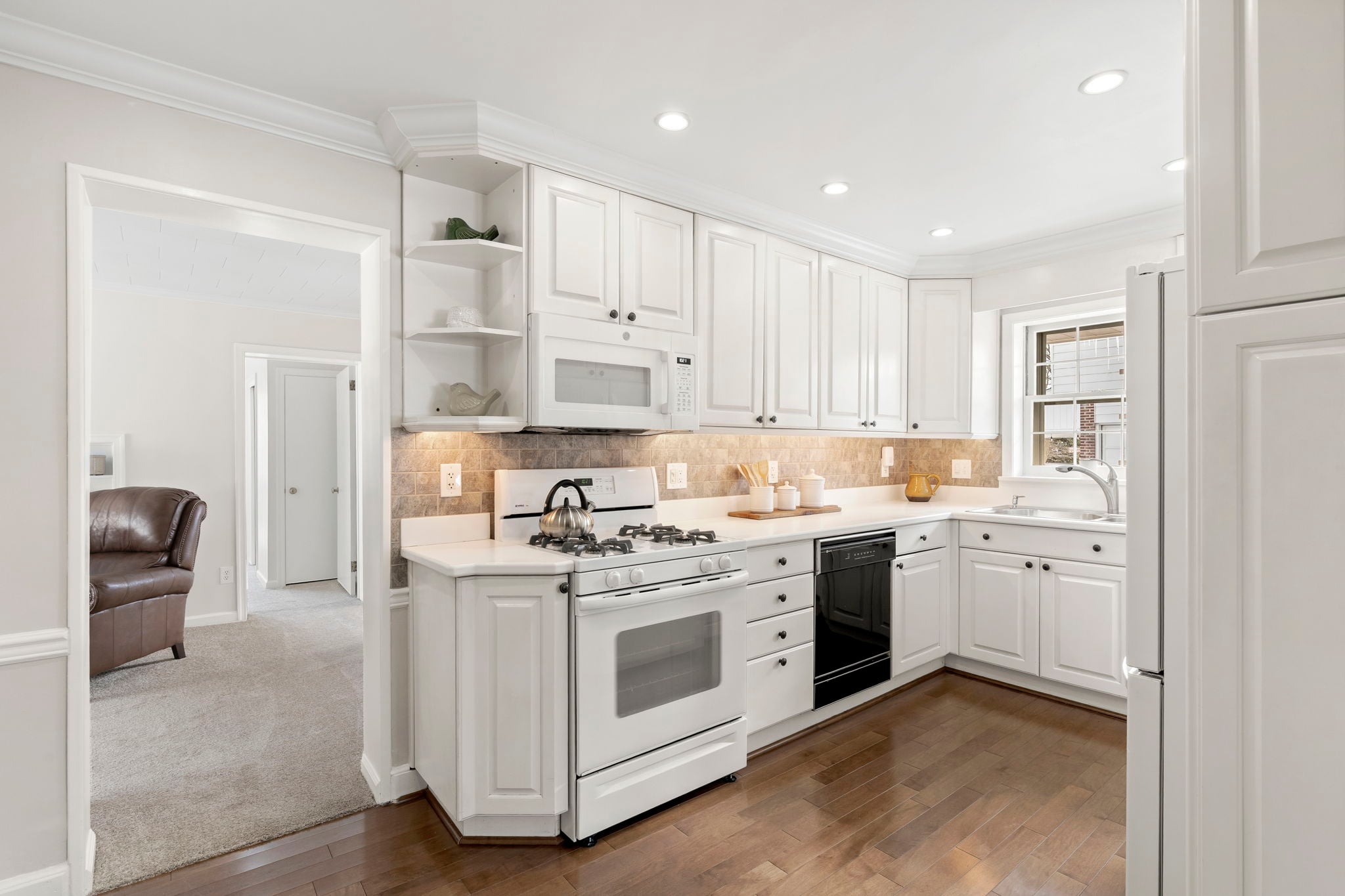
Most homeowners don't need to renovate their entire house before putting it on the market. In fact, spending heavily on the wrong projects can mean investing money you may not get back when you sell.
The better strategy is to focus on the repairs and improvements that affect buyer confidence, first impressions, and the likelihood of negotiations after an inspection.
For homeowners in Chester County, Delaware County, and along the Main Line, that can mean anything from fixing a leaky faucet or refreshing tired paint to addressing moisture concerns, aging systems, or exterior maintenance.
So, what should you actually fix before selling your home—and what can you leave alone?
Here's where we recommend starting.
What Should You Fix Before Selling a House?
Before worrying about cosmetic upgrades, address problems that could make a buyer wonder whether a larger issue is hiding behind them.
Think about three categories first:
- Water and moisture
- Safety
- Major home systems
A water stain on a ceiling may have come from a small leak that was repaired years ago, but a buyer doesn't know that when they first walk through the house. To them, it's an unanswered question.
The same is true of an outlet that doesn't work, a dripping pipe, loose railing, missing roof shingles, or damaged flooring.
Before listing, consider addressing items such as:
- Active plumbing leaks or dripping fixtures
- Signs of water intrusion or unresolved moisture problems
- Missing or visibly damaged roofing materials
- Non-functioning outlets, switches, or fixtures
- Known electrical problems
- Slow drains or plumbing issues
- Loose railings and other obvious safety concerns
- Broken or badly damaged flooring
- Doors, windows, or hardware that don't operate properly
- Damaged trim, siding, or exterior components
The goal isn't to make an older home look brand new. It's to eliminate the little question marks that can make buyers nervous.
Pay Particular Attention to Water and Moisture
Water deserves special attention because even a small visible issue can cause buyers to wonder about what's happening where they can't see.
Depending on the home, that could mean checking:
- Basement or crawl-space moisture
- Roof leaks
- Staining around windows and doors
- Exterior drainage and grading
- Failed exterior caulking
- Plumbing leaks
- Bathroom ventilation
- Signs of moisture around stucco or other exterior cladding
This can be particularly relevant throughout Chester County, Delaware County, and the Main Line, where the housing stock varies considerably by neighborhood and age.
The right approach depends on the property. An older stone home in Wayne may have a completely different pre-listing punch list than a newer stucco home in West Chester or a condo in Media.
That's why we don't recommend starting with a generic renovation checklist. Start with your house.
Fix the Things Buyers Notice in the First Five Minutes
Once the important repairs are addressed, walk through your home as though you're seeing it for the first time.
Better yet, walk in through the front door and deliberately look for things you've stopped noticing.
You may suddenly see:
- Scuffed walls
- Peeling or chipped paint
- Loose door handles
- Doors that stick
- Yellowed or cracked caulk
- Burned-out or mismatched light bulbs
- Worn entry flooring
- Dirty grout
- Cluttered countertops
- Lingering pet or cooking odors
None of these issues is likely to make or break a sale on its own. Together, however, they influence whether a home feels well maintained or neglected.
And remember: your home's first showing often happens online.
Buyers may see dozens of homes on their phone before deciding which ones are worth visiting. Dark rooms, visible clutter, worn paint, and tired bathrooms can affect that decision before a buyer ever steps through the door.
Low-Cost Updates That Can Make a Big Difference
After necessary repairs, focus on improvements that make the home feel clean, bright, consistent, and ready for its next owner.
Touch Up Paint
You probably don't need to repaint every room.
Focus on highly visible scuffs, damaged areas, unusually bold colors that may distract buyers, and rooms where the paint makes the space feel noticeably tired.
Deep Clean
A pre-listing deep clean should go beyond everyday housekeeping.
Pay attention to:
- Baseboards
- Windows and tracks
- Grout
- Appliances
- Cabinet interiors
- Light fixtures
- Carpets
- Bathrooms
- Kitchens
Clean doesn't necessarily mean updated—but it does communicate that the home has been cared for.
Improve the Lighting
Replace burned-out bulbs and try to keep the color temperature consistent within each space.
Good lighting can make rooms feel larger, warmer, and more inviting in both listing photography and showings.
Refresh Caulk and Small Finishes
Fresh caulk around a tub or sink can make an older bathroom look considerably better for very little money.
The same goes for tightening loose handles, replacing a cracked switch plate, fixing a crooked cabinet door, or replacing obviously worn hardware.
Declutter
Buyers need to see the house—not everything you own.
Clearing countertops, reducing furniture where necessary, organizing closets, and removing excess belongings can make rooms feel larger and help buyers understand the available space.
What Should You NOT Fix Before Selling Your Home?
This is where sellers can save themselves a lot of money.
Not every dated feature needs to be replaced before you sell.
A Full Kitchen Remodel
If the kitchen is functional, clean, and appropriate for the home's price point, a major renovation immediately before selling may not make financial sense.
A buyer may also have completely different preferences than you do.
A Full Bathroom Renovation
The same principle applies here.
Fix the leaking faucet. Replace failed caulk. Repair the broken toilet. Clean the grout.
But don't automatically assume you need to tear out a perfectly functional bathroom because the tile isn't the newest style.
Highly Personalized Improvements
Immediately before selling is generally not the time for expensive upgrades based heavily on personal taste.
Bold finishes, custom built-ins, specialty rooms, and other highly specific improvements may appeal to some buyers while making others calculate the cost of changing them.
Replacing Everything That's Old
Old and broken are not the same thing.
A well-maintained older kitchen can be perfectly acceptable to buyers. So can an older HVAC system that functions properly or hardwood floors that show some normal wear.
Condition, price point, and buyer expectations all matter.
Over-Improving for the Neighborhood
Before committing to an expensive project, look at what comparable homes are actually selling for.
If similar homes in your neighborhood are selling successfully without completely renovated kitchens and bathrooms, spending tens of thousands of dollars to renovate yours may not produce the return you're expecting.
A Simple Test: Is This Repair Worth Making?
When you're looking at a long pre-listing to-do list, ask four questions about each item:
- Will a buyer notice it during a showing or in the listing photos?
- Is it likely to become a concern during an inspection?
- Could it give a buyer a reason to negotiate the price or terms?
- Will fixing it noticeably improve how the home presents?
If the answer is yes, it's worth discussing.
Then divide your list into three categories:
Fix before listing:
Safety concerns, active leaks, known defects, obvious damage, and issues likely to undermine buyer confidence.
Improve if the budget makes sense:
Paint, lighting, cleaning, landscaping, caulk, hardware, and other presentation improvements.
Probably leave alone:
Functional, neutral features that are simply older or don't meaningfully affect the home's presentation or marketability.
That exercise alone can prevent thousands of dollars in unnecessary pre-listing work.
What About Known Problems You Don't Plan to Fix?
Choosing not to repair something doesn't necessarily mean ignoring it.
Pennsylvania sellers generally have disclosure obligations concerning known material defects, and the state's Seller's Property Disclosure Statement covers areas including roofing, basements and crawl spaces, structural concerns, water and sewage systems, plumbing, heating and air conditioning, electrical systems, drainage, and other property conditions.
That creates an important distinction:
A pre-listing strategy isn't about hiding problems. It's about deciding how to handle them.
Depending on the situation, the best strategy may be to repair an issue before listing, obtain additional information, disclose what is known, or price and market the property appropriately in its current condition.
The right answer depends on the home, the cost, your timeline, and current market conditions.
Frequently Asked Questions About Fixing a Home Before Selling
Do I need to fix everything before selling my house?
No. Prioritize known problems that could affect safety, buyer confidence, inspections, financing, or negotiations. Cosmetic improvements should generally be evaluated based on their cost and likely impact on presentation.
Should I renovate my kitchen before selling?
Not automatically. If the kitchen is functional and clean, smaller improvements may make more sense than a complete renovation. Consider the home's value, comparable sales, buyer expectations, and likely return before making a major investment.
Should I replace an old HVAC system before selling?
Age alone doesn't necessarily mean a system needs to be replaced. Its condition, functionality, maintenance history, expected remaining life, the home's price point, and current market conditions should all factor into the decision.
Is it better to sell a house as-is or make repairs?
It depends on the property and your priorities. Selling in its current condition may make sense when speed or convenience matters most. Making strategic repairs may make sense when relatively manageable improvements could broaden the buyer pool or reduce uncertainty.
How early should I start preparing my home to sell?
Ideally, start several months before you want to list. More time allows you to prioritize projects, obtain estimates, complete work without rushing, and avoid spending money simply because you're under a deadline.
Before You Start Spending, Build a Pre-Listing Game Plan
One of the biggest mistakes we see sellers make is starting projects before they have a strategy.
They replace flooring that may not have needed replacing. They renovate a bathroom when buyers would have been perfectly happy with it. Or they spend thousands making improvements while overlooking a relatively small issue buyers are much more likely to notice.
Before you start writing checks, figure out what actually matters for your home.
The Lew Esposito Team helps homeowners throughout Chester County, Delaware County, and the Main Line evaluate their property through a buyer's eyes and build a smart plan for getting it market-ready.
We'll help you determine what may be worth addressing, what probably isn't worth the investment, and how your home's condition fits into the current local market.
Thinking about selling in the next 3–12 months? Talk with our team before you start the projects. A good pre-listing strategy can help you spend your money where it matters most.
Check out this article next